
Aloe Vera
Nature's healing succulent with fleshy gel-filled leaves that thrives on sunlight and neglect, perfect for sunny windowsills and drought-tolerant gardens.
Video Tutorials
Watch these helpful videos to learn more about Aloe Vera care.
About Aloe Vera
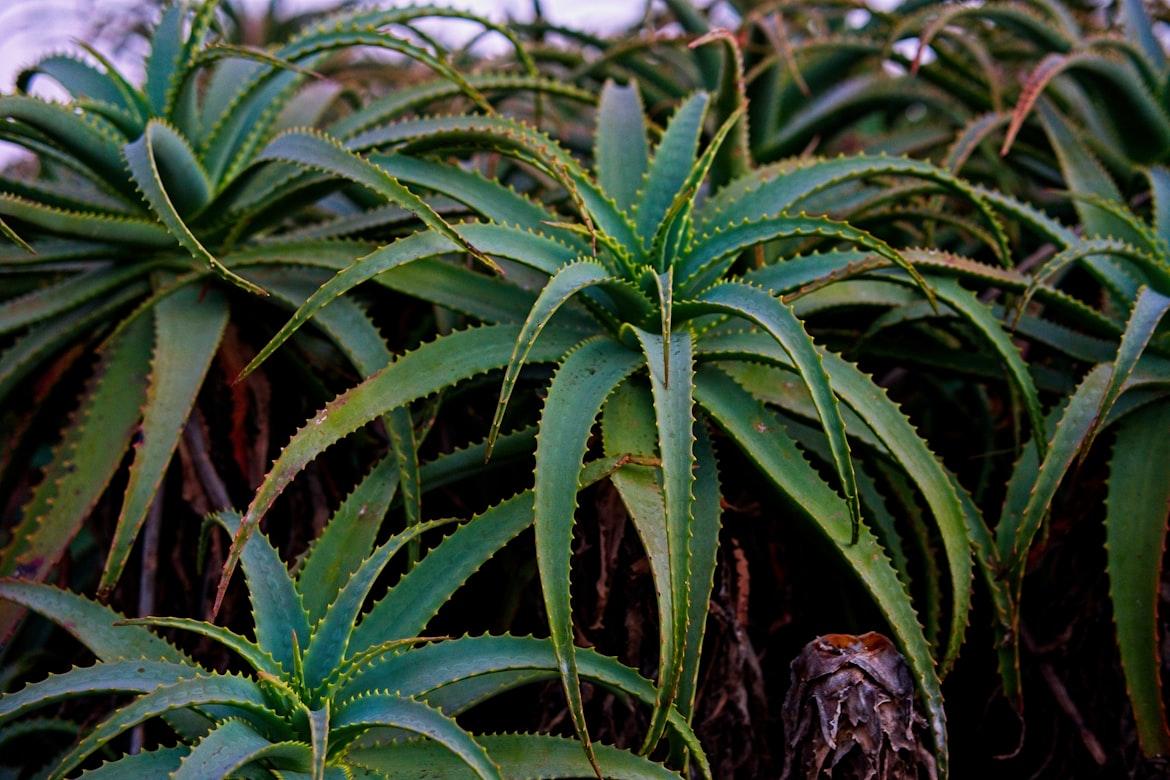
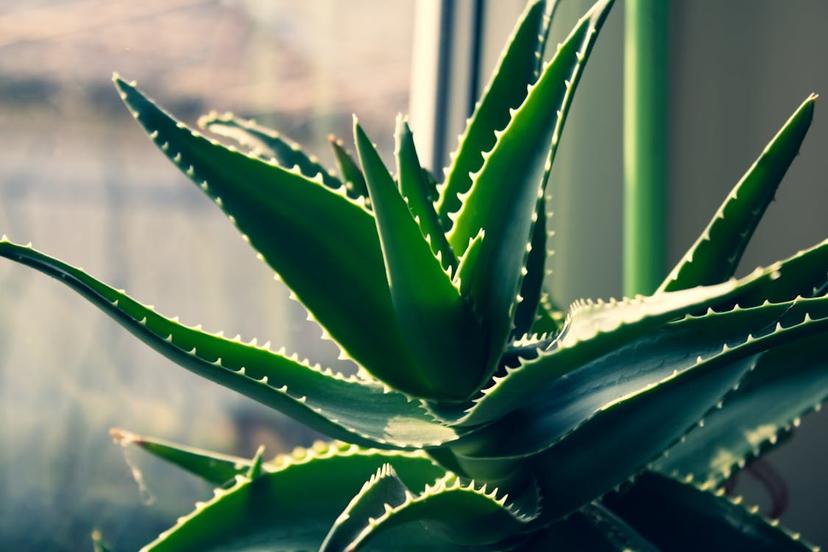
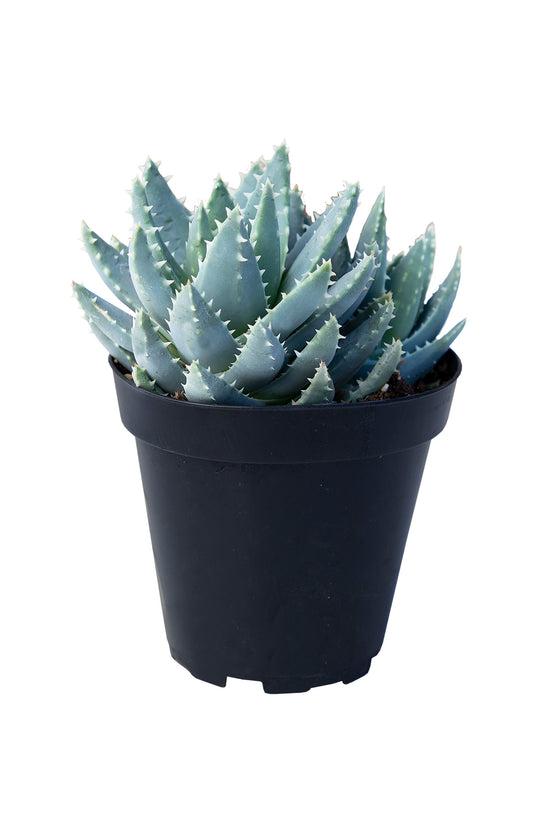
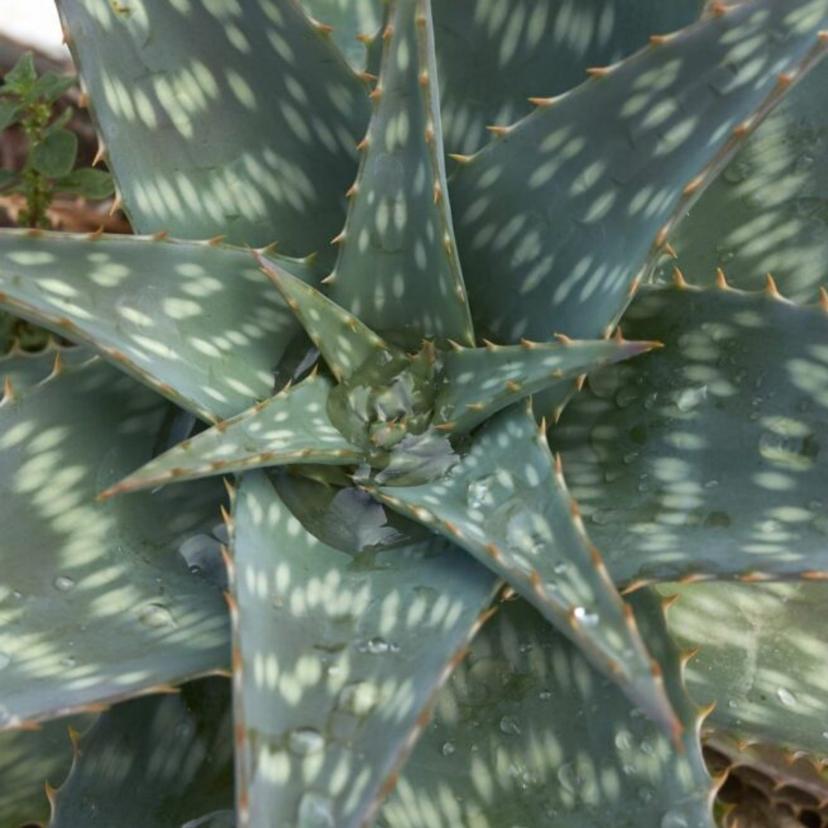
Aloe vera is one of the most popular and useful houseplants worldwide. This succulent delivers dual benefits: stunning sculptural beauty and genuine medicinal value. The thick, fleshy leaves store water and contain healing gel prized for sunburns, minor wounds, and skincare. Aloe vera's forgiving nature makes it perfect for beginners; it thrives on neglect and transforms sunny spaces into desert-inspired sanctuaries.
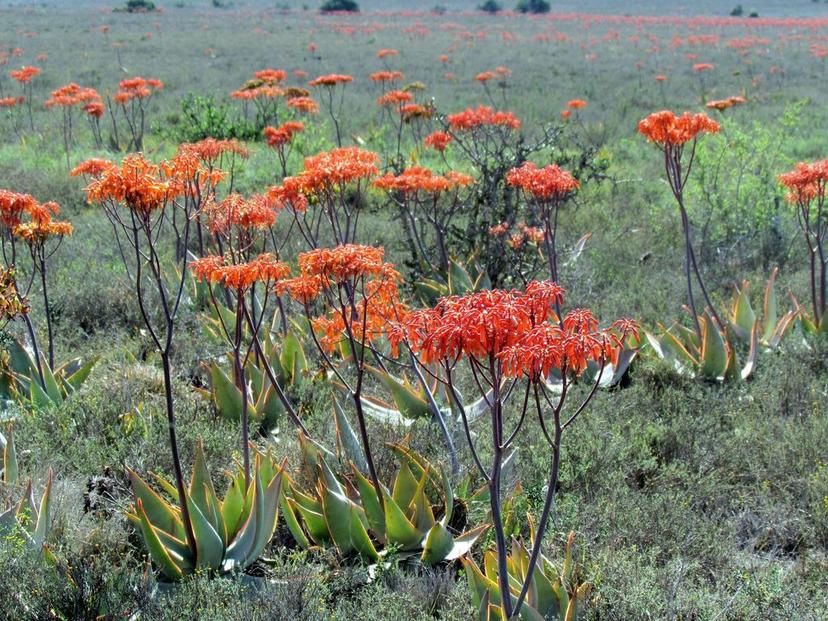
Native to dry regions of North Africa and the Arabian Peninsula, aloe vera evolved to survive extreme drought. Its water-storing leaves, waxy cuticle, and deep roots allow the plant to endure months without rainfall. In sandy, rocky, well-draining soils with intense sun and temperature extremes, aloe thrives where other plants wilt.
As a houseplant, aloe vera rewards minimal attention. It needs bright light, infrequent watering, and well-draining soil - three simple requirements that deliver years of hassle-free growth. Mature plants produce pups (baby offsets) that can be separated for propagation. With proper care, aloe vera lives for decades indoors, becoming a reliable addition to plant collections and medicine cabinets alike.
Watering Schedule
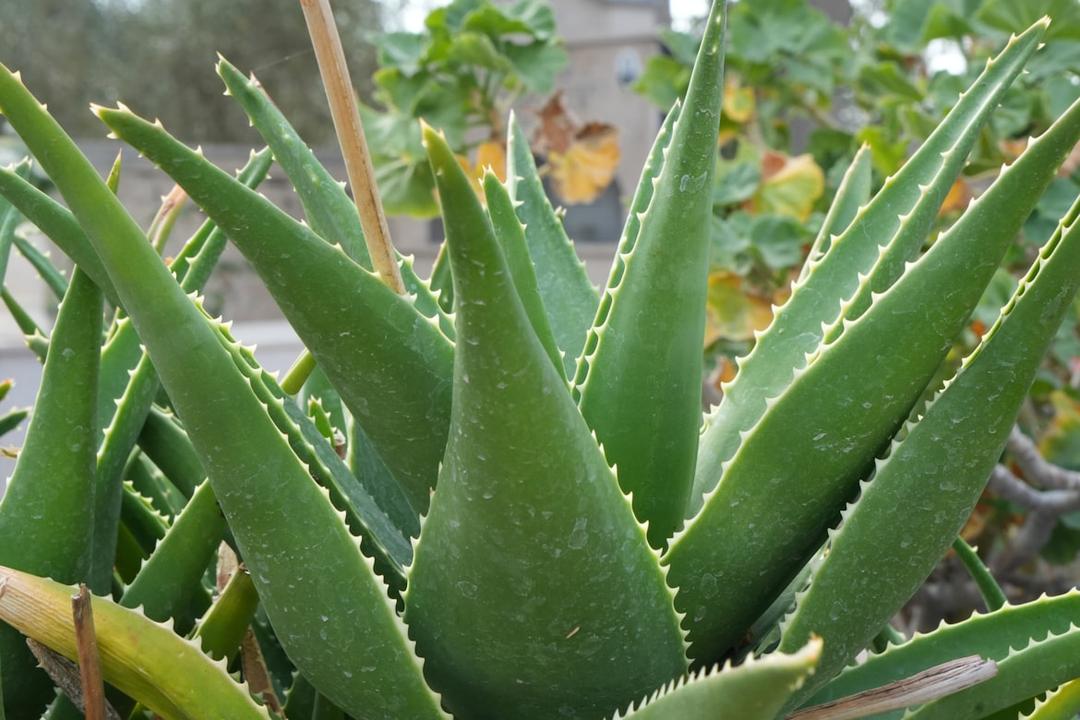
Aloe vera is a succulent that stores water in leaves and prefers drying out completely between waterings. Water deeply but infrequently, allowing soil to dry 1-2 inches deep before watering again.
Common Problems & Solutions
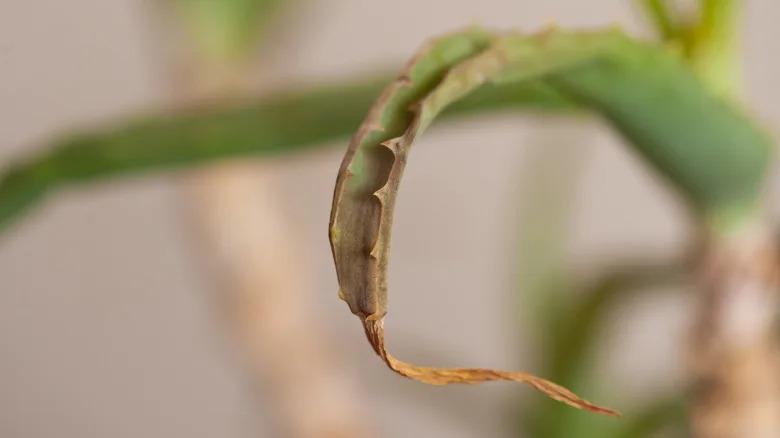
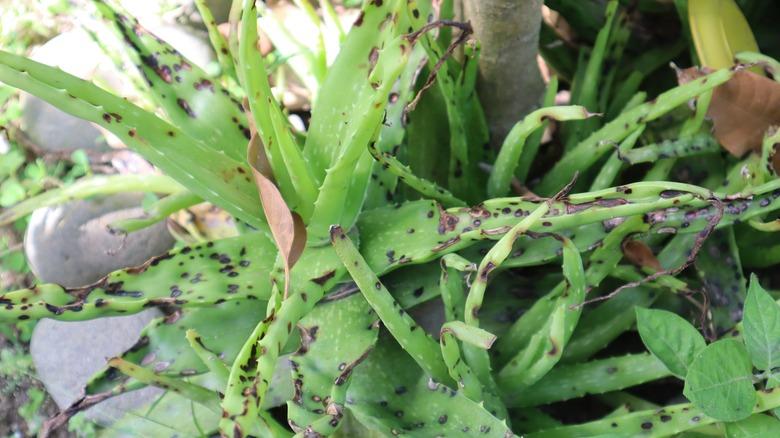
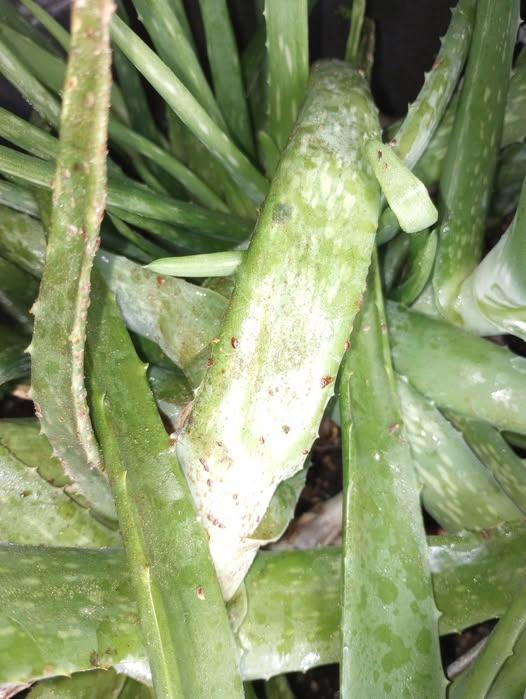
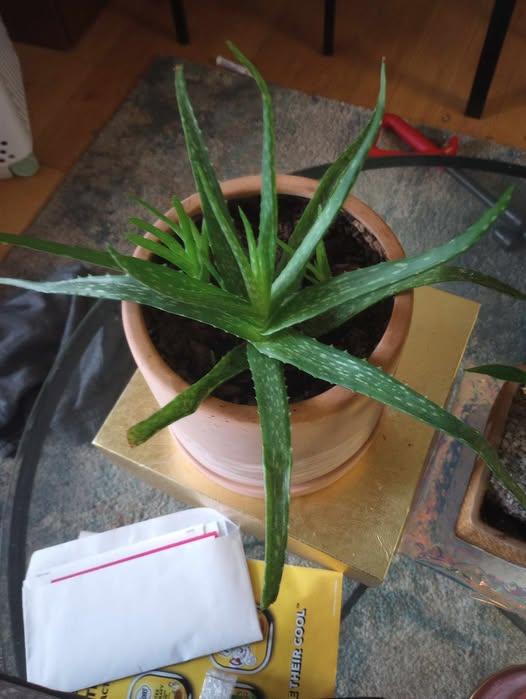
Here's how to identify and fix the most common Aloe Vera problems.
Popular Varieties
Explore different Aloe Vera varieties and find your perfect match.
Care Tips & Best Practices
Humidity
Aloe vera prefers low humidity (20-40%) and thrives in dry indoor environments. Never mist foliage; humidity promotes fungal infections. Average household humidity is perfect; no humidifiers needed.
Feeding Schedule
Fertilize during active growth (May-August) monthly at half strength with diluted cactus fertilizer. Skip fall-winter feeding entirely; dormancy requires no nutrients. Aloe thrives in poor soil; overfertilizing causes salt damage.
Leaf Cleaning
Wipe leaves gently with soft dry cloth quarterly to remove dust blocking sunlight. Never use leaf shine products; they clog leaf pores. Remove any damaged, spotted, or yellowed leaves immediately.
Pruning
Remove dead or damaged leaves anytime by cutting at base. Prune off lower yellowed leaves as plant matures. Light pruning encourages bushier growth and improves appearance; don't be timid about removing problem areas.
Harvesting Gel
Cut outer leaves at base when plant is 3+ years old. The inner gel is medicinal and edible for sunburn relief. Allow cut leaves to drain 10 minutes before storing gel. Harvest sparingly; never remove more than 10-20% of plant.
Rotation
Rotate weekly for even light exposure if plant receives directional light. However, avoid frequent major relocations; aloe takes weeks to acclimate to new positions.
Care Checklist
10 Common Mistakes to Avoid
Overwatering
Why it's bad: Excess water causes root rot and fungal infections killing the plant within days to weeks.
Do this instead: Water only when soil is bone-dry. Let soil dry 1-2 inches deep between waterings. In winter, water monthly or less.
Using regular potting soil
Why it's bad: Heavy soil compacts and retains water around roots, causing guaranteed root rot and plant death.
Do this instead: Use specialized succulent/cactus soil or mix regular soil with 50% perlite and pumice for drainage.
Insufficient light
Why it's bad: Low light causes pale, leggy, weak growth; plant stretches and etiolates seeking sun.
Do this instead: Provide 6-12 hours bright direct sun daily. South or west windows are ideal. Use grow lights if needed.
Using pots without drainage
Why it's bad: Standing water in pot causes root rot within days; water cannot escape.
Do this instead: Always use pots with multiple drainage holes. Terracotta pots are preferable to plastic for faster drying.
Moving aloe frequently
Why it's bad: Constant relocation stresses plant; it takes weeks to acclimate to new light levels.
Do this instead: Choose one bright location and keep aloe there. Rotate weekly for even growth but don't relocate entirely.
Misting foliage
Why it's bad: Moisture on leaves causes fungal spots and promotes infections; aloe prefers dry air.
Do this instead: Never mist aloe. Water soil only. Average indoor humidity is perfect for aloe vera success.
Fertilizing year-round
Why it's bad: Winter feeding disrupts dormancy; excess nutrients cause salt damage and root problems.
Do this instead: Fertilize only May-August monthly at half strength. Skip fall-winter feeding entirely.
Exposing to cold below 50°F
Why it's bad: Freezing temperatures shock plant causing leaf collapse and potential death.
Do this instead: Maintain 55-80°F minimum. Protect from cold drafts and exterior windows in winter.
Leaving standing water in saucer
Why it's bad: Pot sitting in water waterloggs soil and causes root rot rapidly.
Do this instead: Empty saucer immediately after watering. Never allow water to pool under pot.
Waiting to treat pests
Why it's bad: Mealybugs and scale reproduce rapidly; infestation spreads to other plants.
Do this instead: Inspect weekly. Treat immediately with insecticidal soap. Isolate infected plants from others.
Frequently Asked Questions
How often should I water aloe vera?
Water every 2-3 weeks spring-summer when soil is completely dry. Reduce to monthly or less in fall-winter. Check soil moisture first; never water on a schedule. In winter, some growers skip watering entirely.
Can I use regular potting soil for aloe?
No. Regular soil retains moisture and causes root rot. Always use cactus/succulent soil or mix regular soil with 50% perlite and pumice for proper drainage.
Is aloe vera safe for cats and dogs?
Aloe latex in leaves is toxic to pets causing vomiting, diarrhea, and lethargy if ingested. The clear inner gel is generally safe topically but keep whole leaves away from curious pets. Place plants out of reach.
How do I propagate aloe vera?
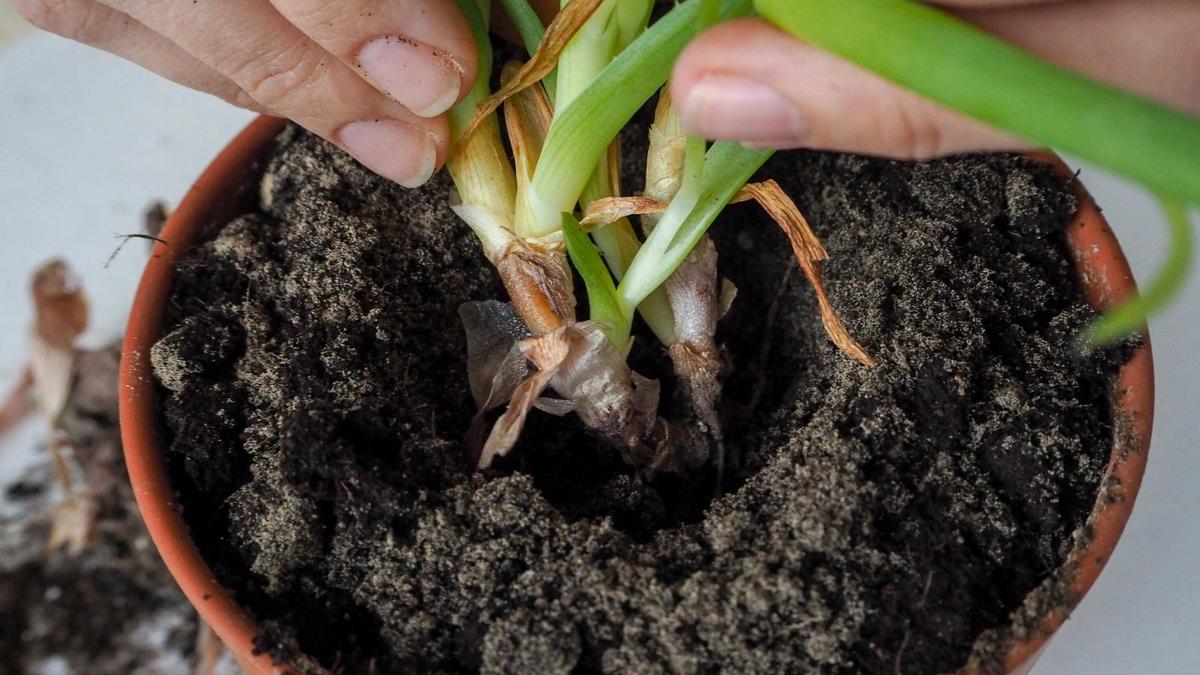
Remove baby pups (offsets) at base when 1.5+ inches tall with visible roots. Air-dry 2-3 days, then plant in succulent soil. Water after 7-10 days. This method succeeds 95% of the time.
Why is my aloe turning yellow?
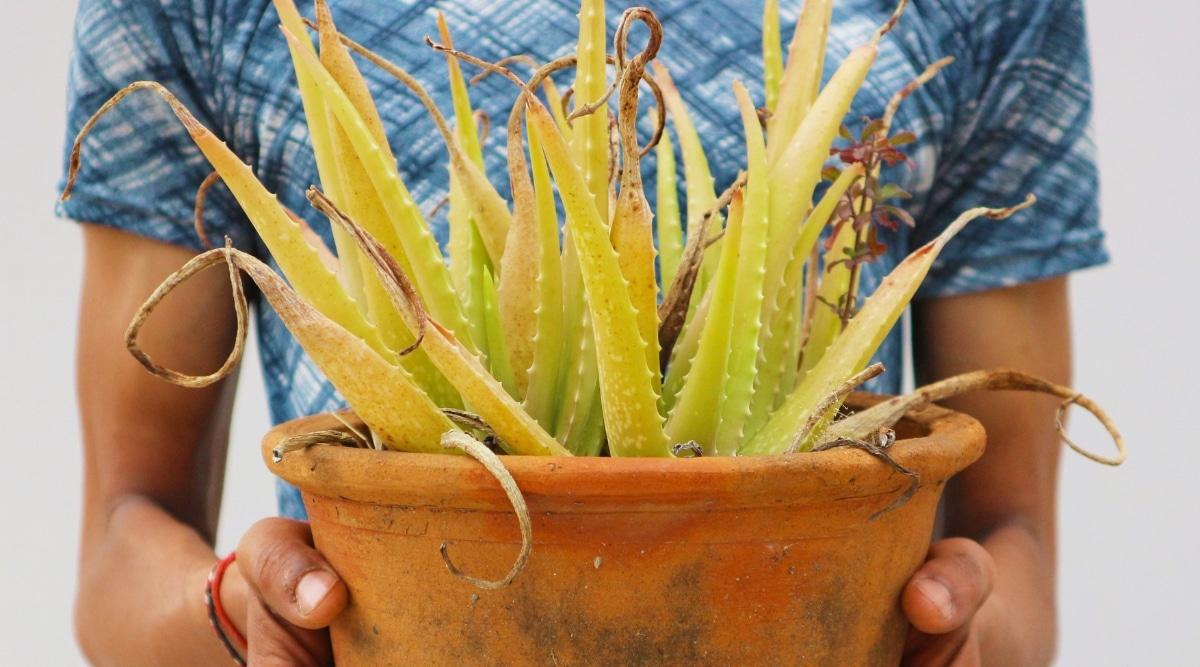
Yellow leaves indicate overwatering, poor drainage, low light, or old compacted soil. Check soil moisture immediately; reduce watering frequency. Move to brighter location with 6+ hours direct sun. Repot into fresh succulent soil if needed.
How much light does aloe vera need?
Minimum 6 hours bright direct or very bright filtered sun daily. South or west-facing windows are ideal. Without adequate light, aloe becomes pale and stretches seeking sun. Use grow lights if natural light is insufficient.
How do I harvest aloe gel?
When plant is 3+ years old, cut outer leaves at base. The inner clear gel can be scooped out for sunburns or skincare. Allow cut leaves to drain 10 minutes first. Never harvest more than 10-20% of plant at once.
What temperature does aloe vera need?
Ideal range is 55-80°F (13-27°C). Never expose to cold below 50°F or frost. Protect from cold drafts and heating vents. Cool nights (50-60°F) support healthy dormancy in winter.
How often do I repot aloe vera?
Repot every 3-5 years when plant becomes too large or top-heavy, or when soil becomes compacted. Use pots only 1 size larger. Wait 7-10 days after repotting before watering to allow roots to recover.
Why does my aloe have brown spots?
Brown spots indicate fungal infection from overwatering, poor drainage, high humidity, or mineral damage from tap water. Reduce watering immediately, improve drainage, switch to filtered water. Remove infected leaves. Ensure good air circulation.
References & Sources
Information in this guide is based on these trusted sources.